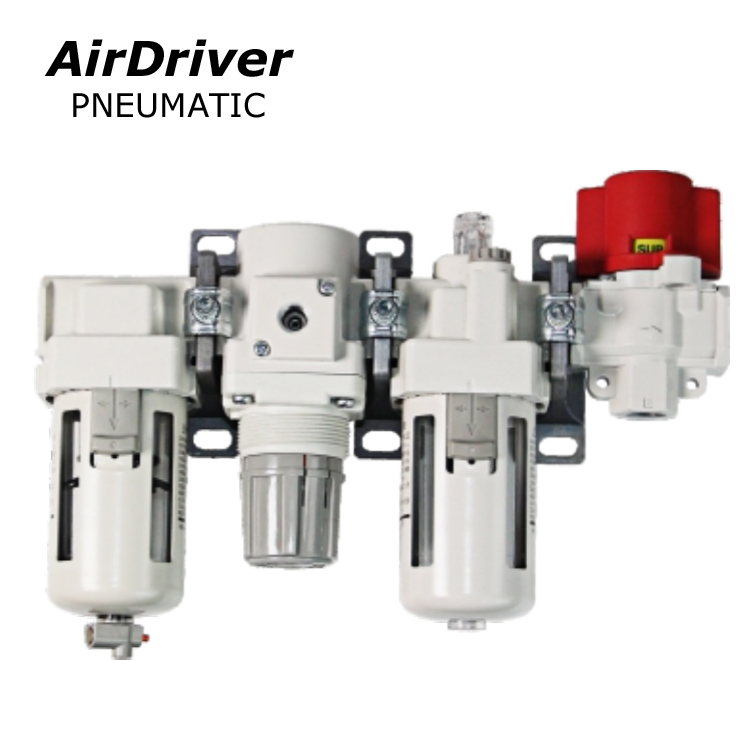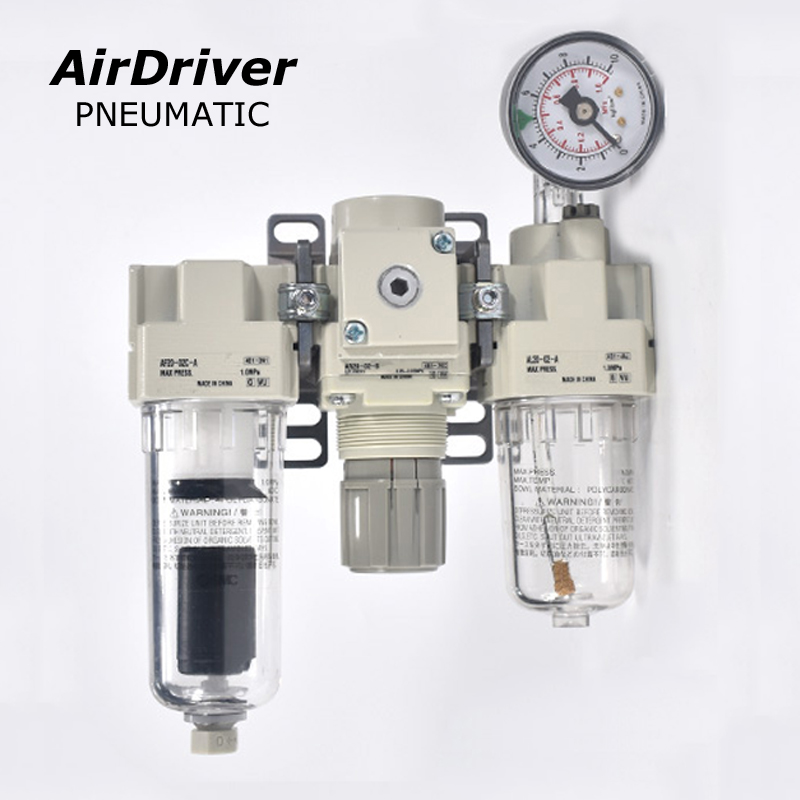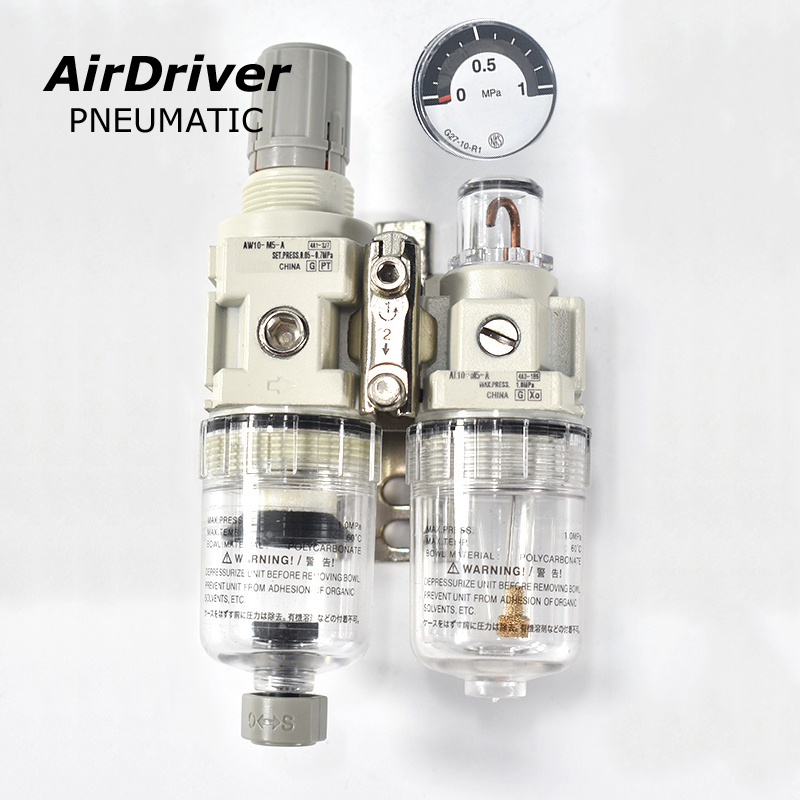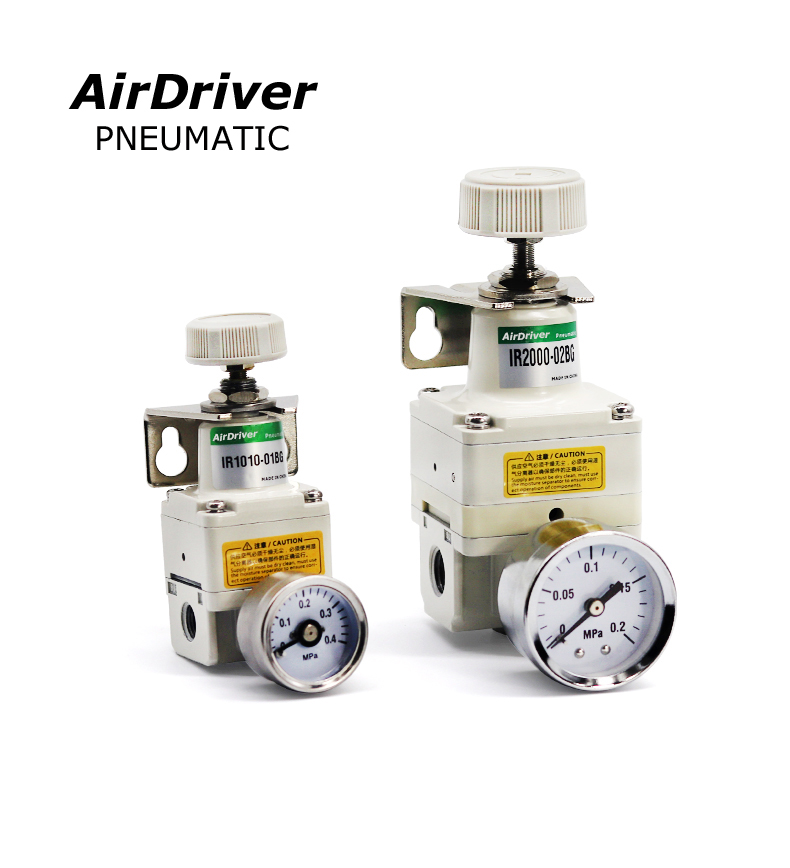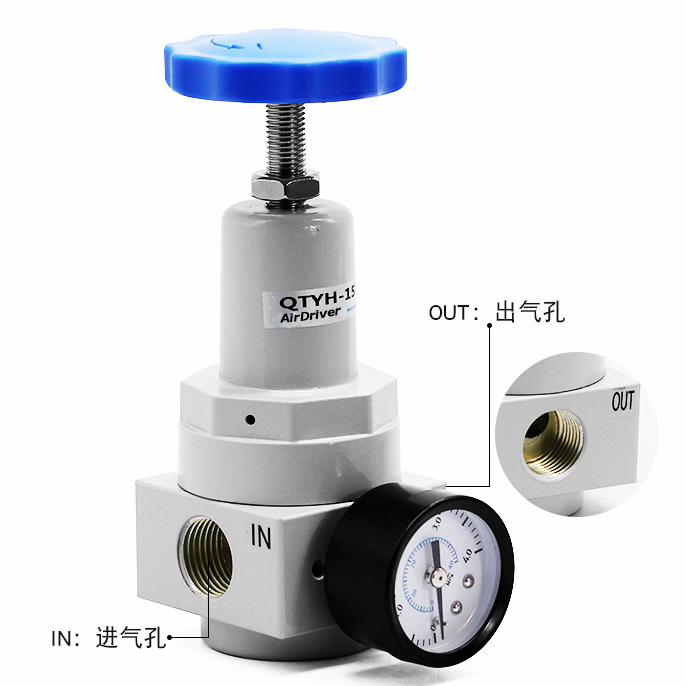
An air source processor is a modular unit used to treat compressed air before it enters a pneumatic circuit. It typically combines three components: a filter, a pressure regulator, and a lubricator. Together, they improve air quality and stabilise system performance for downstream equipment such as cylinders, solenoid valves, and actuators. By reducing contamination, pressure fluctuation, and friction, the air source processor helps prevent premature wear, failures, and costly downtime. In short, it acts as the pneumatic system’s “gatekeeper,” turning raw compressor air into a reliable power source.
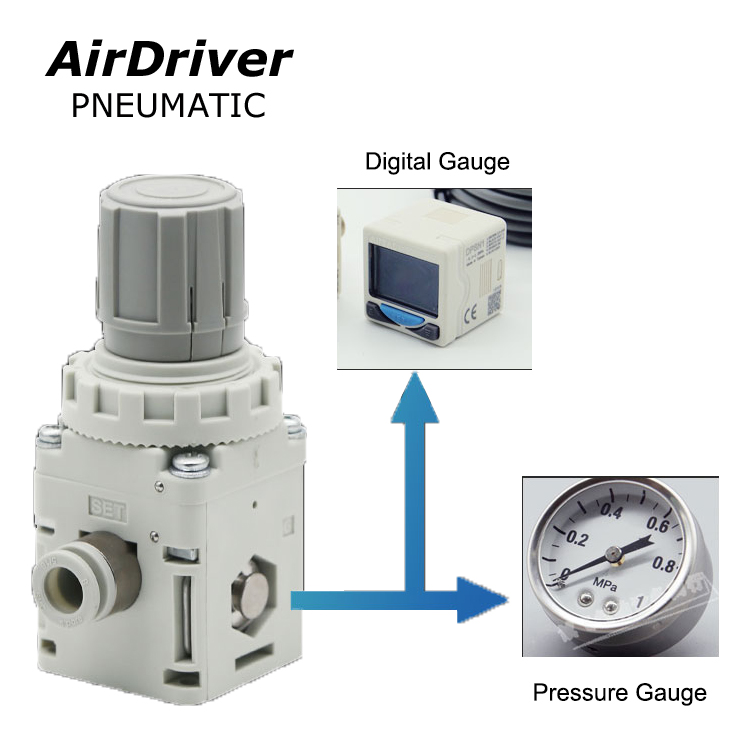
Air source processors enhance compressed air through three core treatments. Filtration removes moisture, dust, rust particles, and oil aerosols using filter elements (commonly rated around 5–40 microns), often with water separators or coalescing filters for better moisture and oil removal. Pressure regulation stabilises supply pressure by reducing compressor output (commonly 100–150 psi) to a controlled working range (often 60–90 psi), using a diaphragm-spring mechanism plus gauge and relief venting. Lubrication adds a controlled oil mist to reduce friction and wear in moving pneumatic components, improving durability in high-cycle applications while avoiding over-lubrication that could contaminate the system.
Using an air source processor extends equipment lifespan, improves efficiency, reduces maintenance costs, and enhances safety through stable pressure and cleaner air. These units are widely used in manufacturing, automotive, packaging, food processing, pharmaceuticals, and harsh environments like mining and construction. When selecting one, key factors include flow rate (SCFM or L/min), port size, filtration rating, operating environment, and maintenance features such as automatic drains and quick-release bowls. Aligning with air quality standards (e.g., ISO 8573) also helps ensure proper system compatibility and long-term reliability.